Key Takeaway
Vitamin C and niacinamide work through different mechanisms and pair well together — vitamin C in the morning under SPF, niacinamide any time, often at night.
Vitamin C vs. Niacinamide for Dark Spots: Do You Need Both?
Two serums, both claiming to brighten and even out skin tone, both sitting in nearly every “best for dark spots” roundup online. So which one do you actually need — and is buying both just a marketing trick, or is there a real reason to use them together?
This post contains affiliate links. If you purchase through them, we may earn a small commission at no extra cost to you.
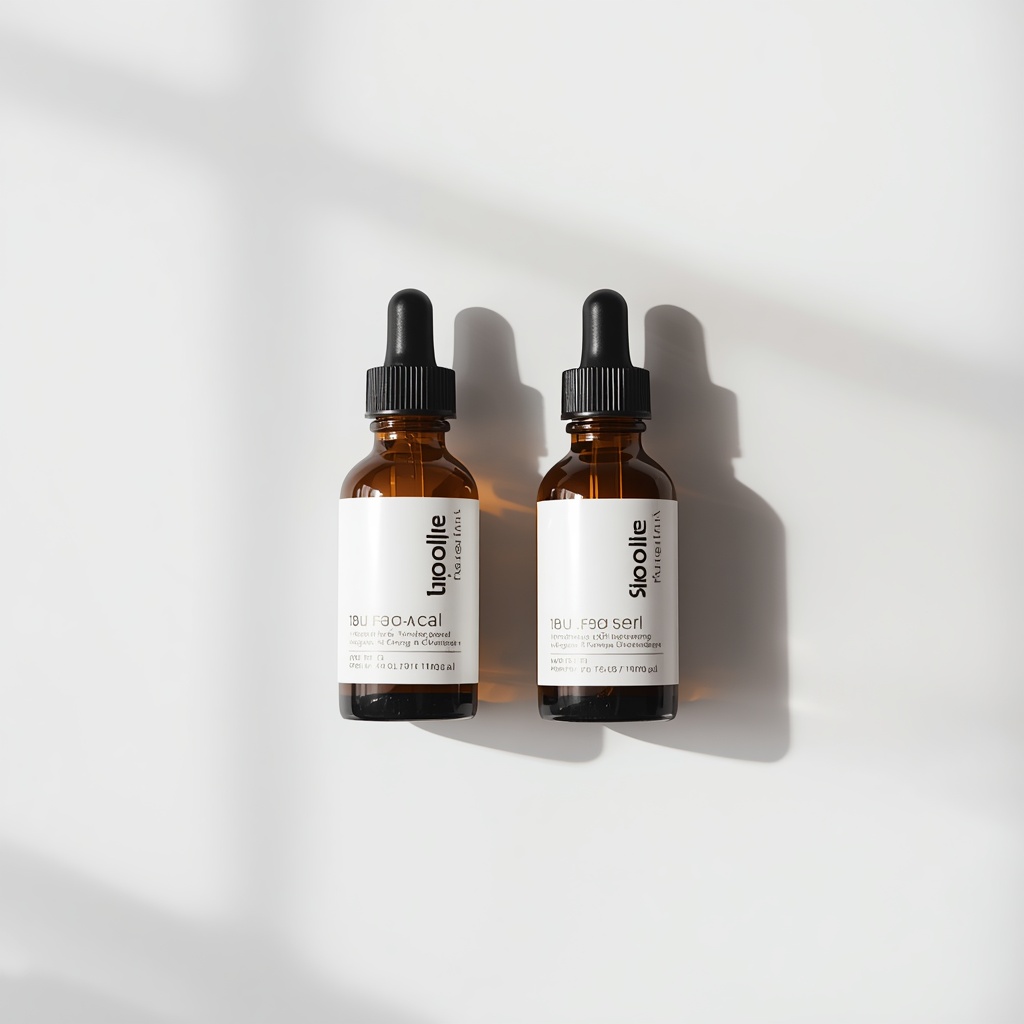
What Vitamin C Actually Does
Vitamin C is an antioxidant that interrupts the enzyme process responsible for melanin production, while also neutralizing free radical damage from sun and pollution exposure. It works best in the morning, layered under sunscreen, where it adds an extra layer of environmental protection on top of your SPF.
What Niacinamide Actually Does
Niacinamide (vitamin B3) works differently — it limits the transfer of melanin to your skin’s surface layer rather than blocking its production outright. It’s also anti-inflammatory, which makes it especially useful if your pigmentation is acne-related, since it calms redness at the same time it fades marks.
Can You Use Them Together?
Yes, and for most people this combination performs better than either alone — they target the pigmentation process from two different angles. The old myth that vitamin C and niacinamide “cancel each other out” has been largely debunked by more recent formulation research; modern stable formulas of both can absolutely coexist.
A simple way to layer them: Vitamin C in the morning, niacinamide in the evening — or both in the same routine if your skin tolerates it well, applying the thinner serum first.
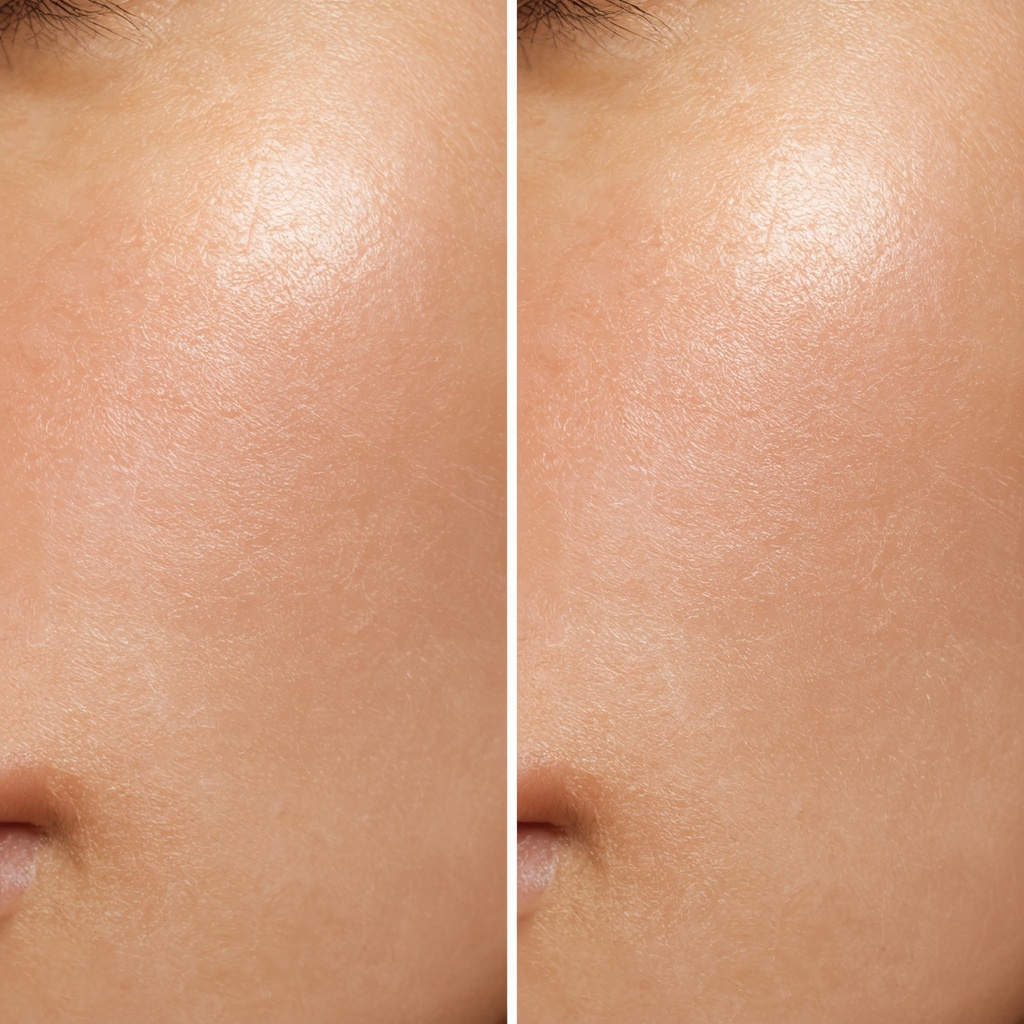
Which One to Prioritize If You Can Only Pick One
Choose vitamin C if: your main concern is sun-related dark spots and overall dullness, and you want daytime antioxidant protection alongside brightening.
Choose niacinamide if: your pigmentation is acne-related, your skin is sensitive or acne-prone, or you also deal with oiliness or enlarged pores — niacinamide helps with all of these simultaneously.
A Note on Concentration
More isn’t automatically better with either ingredient. Vitamin C above 20% increases irritation risk without proportional benefit for most people, and niacinamide above 10% can occasionally cause flushing in sensitive skin. Starting at a moderate concentration and being consistent beats going maximum-strength and quitting after irritation.
The Bottom Line
This was never really an either-or choice. Vitamin C and niacinamide solve the dark spot problem from different angles, and using both — at the right times of day — gives you broader coverage than relying on just one.
Related reading: Still figuring out what type of dark spot you’re treating? Hyperpigmentation 101 breaks down the differences. And before buying either serum, learn how to read the ingredient label to check real concentration.