Key Takeaway
Oral collagen gets broken down into amino acids and peptides before your body decides where to use them — it’s not a direct skin delivery, but there’s real signaling benefit, not pure marketing.
The Truth About Collagen Supplements: Do They Actually Work?
Every other ad in your feed is selling a tub of collagen powder promising tighter skin and fewer wrinkles in weeks. You’ve probably wondered: is this real science, or just expensive flavored protein? The honest answer sits somewhere in between — and it’s more interesting than either extreme.
This post contains affiliate links. If you purchase through them, we may earn a small commission at no extra cost to you.

What Collagen Actually Is
Collagen is the structural protein that keeps skin firm and elastic. Your body produces less of it as you age, starting a gradual decline as early as your mid-20s — which is part of why skin loses bounce and fine lines start forming over time.
Does Oral Collagen Actually Reach Your Skin?
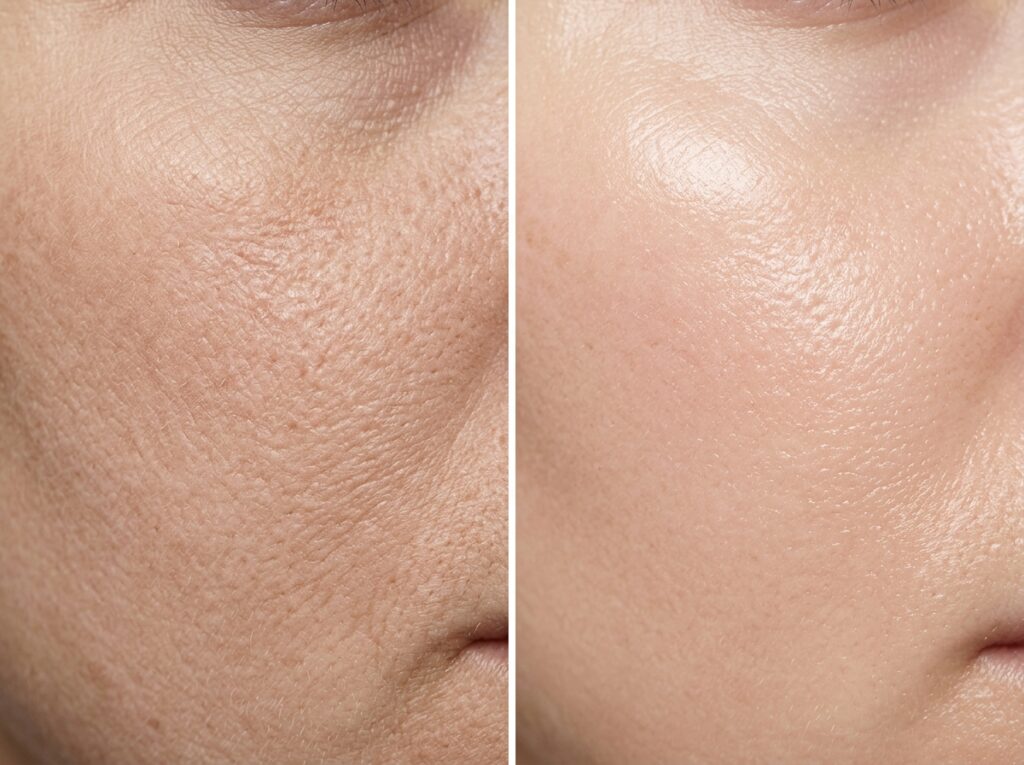
Here’s the nuance most ads skip: when you eat collagen, your digestive system breaks it down into amino acids and peptides — it doesn’t travel to your face intact and “rebuild” skin directly. However, several clinical studies have shown that hydrolyzed collagen peptides can stimulate your body’s own collagen production, with measurable improvements in skin elasticity and hydration after consistent use over 8-12 weeks.
So it’s not a magic rebuild — it’s more like giving your body raw materials and a nudge to produce more on its own.
What the Research Actually Supports
- Hydrolyzed collagen peptides (not whole collagen) show the most consistent results in studies
- Improvements are gradual — measured in weeks and months, not days
- Effects are modest, not dramatic — think “noticeably more hydrated and slightly firmer,” not “ten years younger”
- Results vary by individual; collagen isn’t a guaranteed fix for everyone
Topical Collagen vs. Oral Collagen
Topical collagen in creams sounds appealing, but collagen molecules are too large to penetrate skin’s outer layer effectively. If you’re choosing between the two, oral hydrolyzed collagen has stronger evidence behind it than collagen-infused creams.
Should You Actually Take It?
If your budget allows it and you’re consistent for at least 2-3 months, collagen supplements are a reasonable, low-risk addition — just don’t expect them to replace retinol, SPF, or a solid skincare routine. Think of it as a supporting player, not the star.
The Bottom Line
Collagen supplements aren’t a scam, but they’re not a miracle either. The real story is modest, gradual support for your skin’s natural collagen production — useful as part of a bigger routine, not a substitute for one.
Related reading: Curious what else is worth prioritizing at your age? Best Anti-Aging Ingredients by Decade breaks it down. And before paying more for a premium collagen brand, see Drugstore vs. High-End Skincare.