Key Takeaway
Most “acne scars” are actually temporary discoloration (PIH/PIE), not true scarring — identify which type you have before spending on treatments meant for permanent texture damage.
Acne Scar Removal: What Actually Fades Marks vs. What’s a Waste of Money
You’ve finally cleared the breakout. Then you look closer in the mirror and realize the war isn’t over — there’s a dark mark, a slight dent, a patch of skin that just won’t match the rest. Acne scars can outlast acne itself by months or years, and most advice online treats “scars” as one problem when it’s actually several, each needing a different fix.
This post contains affiliate links. If you purchase through them, we may earn a small commission at no extra cost to you.
First, Figure Out What Type of Scar You’re Dealing With
Not all acne scarring is the same, and treating the wrong type wastes time and money.
- Post-inflammatory hyperpigmentation (PIH): Flat, dark or red-brown marks left behind after a pimple heals. This is not a true scar — it’s discoloration, and it fades on its own, though it can take months.
- Post-inflammatory erythema (PIE): Similar to PIH but appears as pink or red marks, more common on lighter skin tones.
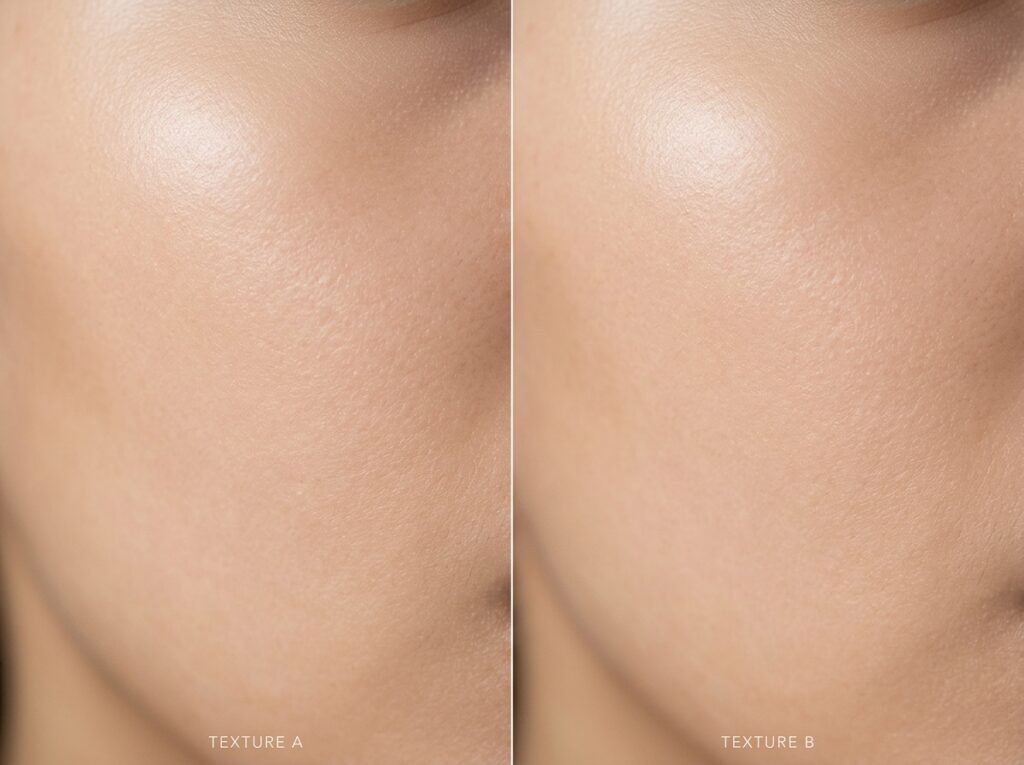
- True textural scarring: Actual indentations or raised tissue — icepick, boxcar, or rolling scars. These involve real changes to skin structure and are harder to treat with skincare alone.
If you’re dealing with flat discoloration, you’re in luck — that responds well to consistent at-home care. If you’re dealing with indentations, skincare can improve texture somewhat, but dramatic results usually require a dermatologist.
What Actually Works for Discoloration (PIH/PIE)
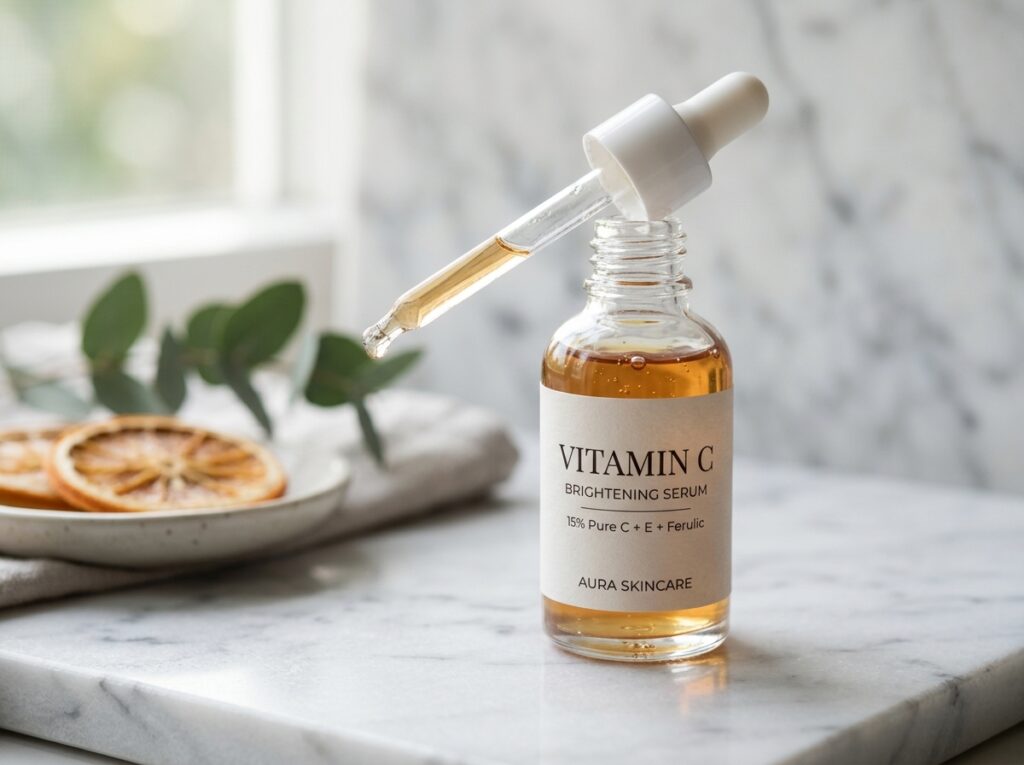
Vitamin C serum — helps fade dark marks and brightens overall tone with consistent use. Look for a stable formulation around 10-20% concentration.
Niacinamide — calms inflammation and has solid evidence for reducing hyperpigmentation over time. Often paired with vitamin C or used in the evening.
Azelaic acid — genuinely underrated. It treats both active acne and the marks it leaves behind, making it efficient if you’re still breaking out occasionally.
Sunscreen, non-negotiably — this is the step people skip and then wonder why their marks aren’t fading. UV exposure darkens PIH significantly and can undo months of progress in a few unprotected days. SPF 30+ daily, even indoors near windows.
What Helps with Textural Scarring
At-home options have real but modest impact here:
- Retinoids (retinol or prescription tretinoin) — stimulate collagen turnover over months, which can soften the edges of shallow scars
- Chemical exfoliants (glycolic or lactic acid) — improve overall texture and light reflection on skin, making scars less visually obvious
For more noticeable indented scarring, in-office treatments — microneedling, chemical peels, or laser resurfacing — tend to outperform anything available over the counter. If scarring is significant, a consultation with a dermatologist is worth the cost before spending months on products that won’t fully solve it.
A Realistic Routine
Morning: Gentle cleanser → Vitamin C serum → Moisturizer → SPF 30+
Evening: Gentle cleanser → Niacinamide or azelaic acid → Retinoid (start 2-3x/week, build up) → Moisturizer
Patience matters more than most people expect — skin cell turnover takes 4-6 weeks, so give any new routine at least 8-12 weeks before judging whether it’s working.
The Bottom Line
Most “acne scars” are actually fixable discoloration, not permanent damage — and the fix is consistency, not intensity. Don’t layer five new actives at once hoping for faster results; that’s how you end up with irritation on top of the marks you’re trying to fade.
Related reading: Most acne marks are actually hyperpigmentation, not true scarring — Hyperpigmentation 101 breaks down the difference. For fading those marks specifically, see Vitamin C vs. Niacinamide.