As an Amazon Associate we earn from qualifying purchases. This review is independent — see our Affiliate Disclosure.
Quick Answer
Neutrogena’s Ultra Sheer Dry-Touch is a lightweight, fast-absorbing chemical sunscreen that genuinely lives up to its “dry-touch” name — no greasy residue, no white cast, and a high SPF 70 rating. It’s the reliable, no-fuss option that’s earned its long-running best-seller status through consistency rather than trendy ingredients.
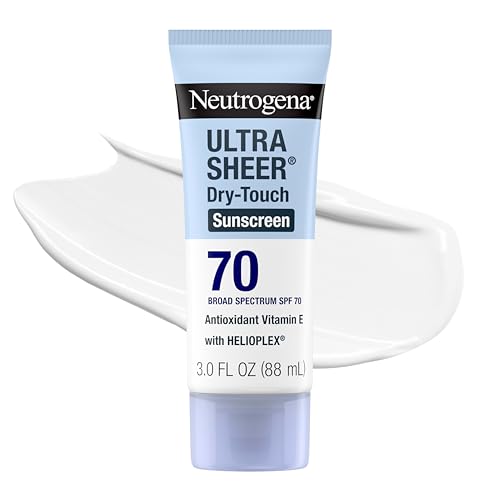
What Is Neutrogena Ultra Sheer Dry Touch Lotion?
This is a chemical (organic-filter) sunscreen lotion built for everyday, all-over use — face or body — with a “dry-touch” finish technology designed to absorb quickly without the greasy after-feel older sunscreen formulas were known for. At SPF 70, it offers protection well above the commonly recommended SPF 30 minimum.
It’s one of the most widely available and long-standing sunscreen formulas in drugstores, which reflects a genuinely dependable, well-tolerated product rather than a fleeting trend.
Why We Recommend It
A sunscreen only works if you actually wear it, and the single biggest reason people skip sunscreen is disliking how it feels — greasy, heavy, or leaving a white cast. This formula’s genuine dry-touch finish removes that excuse, which is a large part of why it’s remained one of the best-selling sunscreens in the country for years running.
SPF 70 also provides meaningful buffer above the standard SPF 30 recommendation, accounting for the fact that most people apply less sunscreen than the tested amount used to determine SPF ratings.
Pros
- Genuinely lightweight, non-greasy “dry-touch” finish
- High SPF 70 rating provides extra buffer for under-application
- No white cast, unlike many mineral sunscreens
- Widely available and consistently affordable
- Long track record as one of the most trusted drugstore sunscreens
Cons
- Chemical filters require reapplication timing awareness (apply 15+ minutes before sun exposure)
- Not ideal for those specifically seeking a mineral-only (zinc/titanium) formula
Who Should Buy Neutrogena Ultra Sheer Dry Touch Lotion?
A reliable everyday sunscreen for face or body for anyone who wants strong protection without a heavy or greasy feel, and who doesn’t have a specific need for mineral-only formulas.
If you specifically need a mineral sunscreen due to sensitive skin or personal preference, a zinc-oxide-based option like EltaMD or Blue Lizard will be a better fit.
How to Use It
- Apply 15 minutes before sun exposure to allow the chemical filters to activate.
- Use a generous amount (about a shot-glass worth for full body, a nickel-size for the face).
- Reapply every 2 hours, or immediately after swimming or heavy sweating.
Our Verdict
A dependable, no-drama sunscreen that solves the exact problem that keeps most people from wearing sunscreen consistently — it just doesn’t feel like sunscreen.
Frequently Asked Questions
Is this a mineral or chemical sunscreen?
It’s a chemical (organic-filter) sunscreen, which is why it applies clear without a white cast, unlike mineral zinc oxide or titanium dioxide formulas.
Can I use this on my face?
Yes, it’s designed for both face and body use, though those with very sensitive or acne-prone skin may prefer a dedicated facial sunscreen instead.
How soon before going outside should I apply it?
Chemical sunscreens need about 15 minutes to bind to skin and become effective, so apply before, not right as you head outdoors.
Related Guides
See the full Best Sunscreen for Face guide for how this compares to the other top picks, or browse all our skincare recommendations.